An enterprise can buy access to an AI model while retaining ownership of its data and business workflows. It can work with a delivery partner while remaining accountable for how the system operates. These choices sit at different layers, each with its own costs and responsibilities.
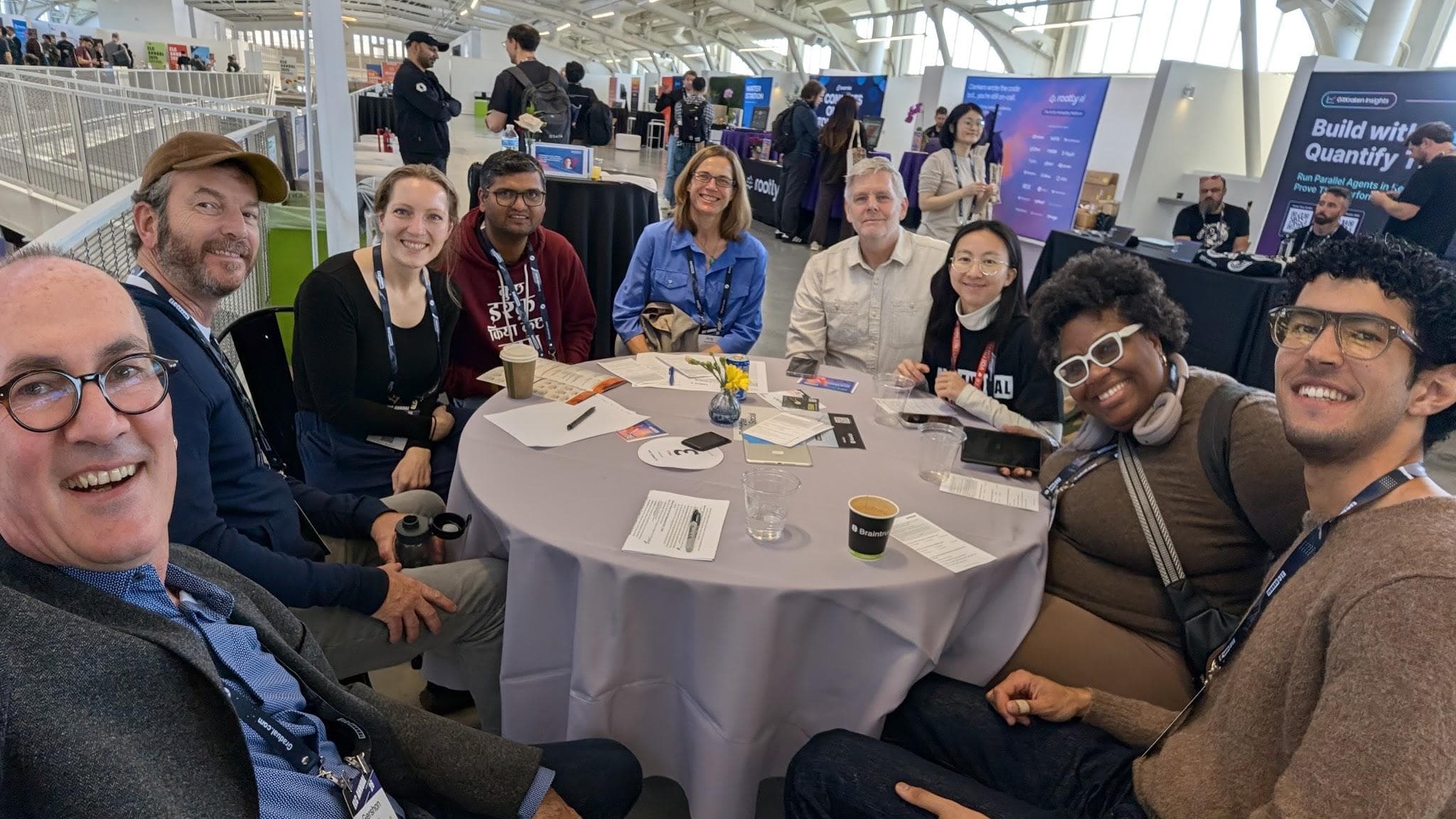
That was the premise behind Gershon Diner’s CLOUDSUFI roundtable at ELC Annual 2026: “Build, Buy, or Partner? Deciding Where Your AI Capability Should Actually Live.”
The intention behind the discussion
Gershon’s framework was designed to help engineering leaders look beyond initial cost and time to launch. The aim was to identify where ownership creates a business advantage, where an existing capability meets the need, and where outside expertise can help.
The framework also made room for change. A decision that suited a team eighteen months ago may need revisiting as available technology, operating costs or business requirements evolve.
Make the decision at each layer
Gershon structured the question around four layers: foundation models, data and retrieval, workflow orchestration, and the application interface.
A team may use an external model while investing in the proprietary data and retrieval logic that make its answers useful. It may retain control of workflows that encode business rules while buying standard interface components. The framework also asks where a partner adds expertise and when that relationship risks becoming a dependency.
The practical question is which parts of the system create enough differentiation to justify owning and maintaining them.
“Build, buy or partner is a decision to make at each layer of the AI stack. The question is where ownership creates an advantage—and what your team is prepared to maintain.” — Gershon Diner
Each path brings obligations beyond the initial investment. An internally built capability needs ongoing engineering support. A purchased platform needs integration and a clear understanding of its constraints. A partner engagement brings questions about ownership and dependency.
For engineering leaders, this means evaluating the operating commitment alongside the initial investment. Who will maintain the capability? What happens when a model or API changes? Can the team understand and support the system after handover?
Preserve the ability to change course
Reversibility was another part of the framework. Separating business logic from a specific provider can make it easier to replace a component when requirements change. Clear interfaces and documented dependencies help teams assess what a switch would involve.
These considerations give leaders a basis for reviewing earlier decisions, including whether something built internally is still worth maintaining.
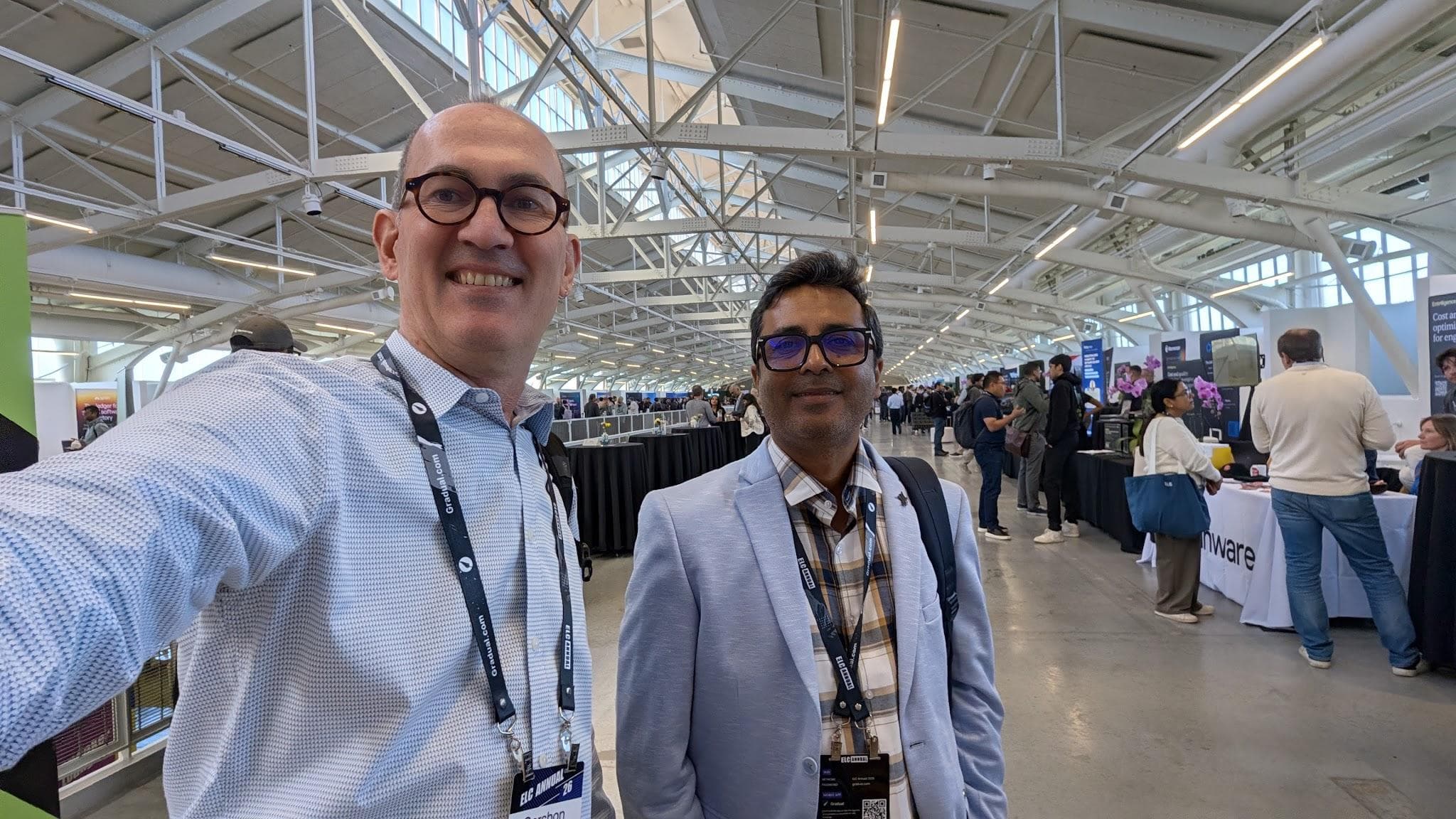
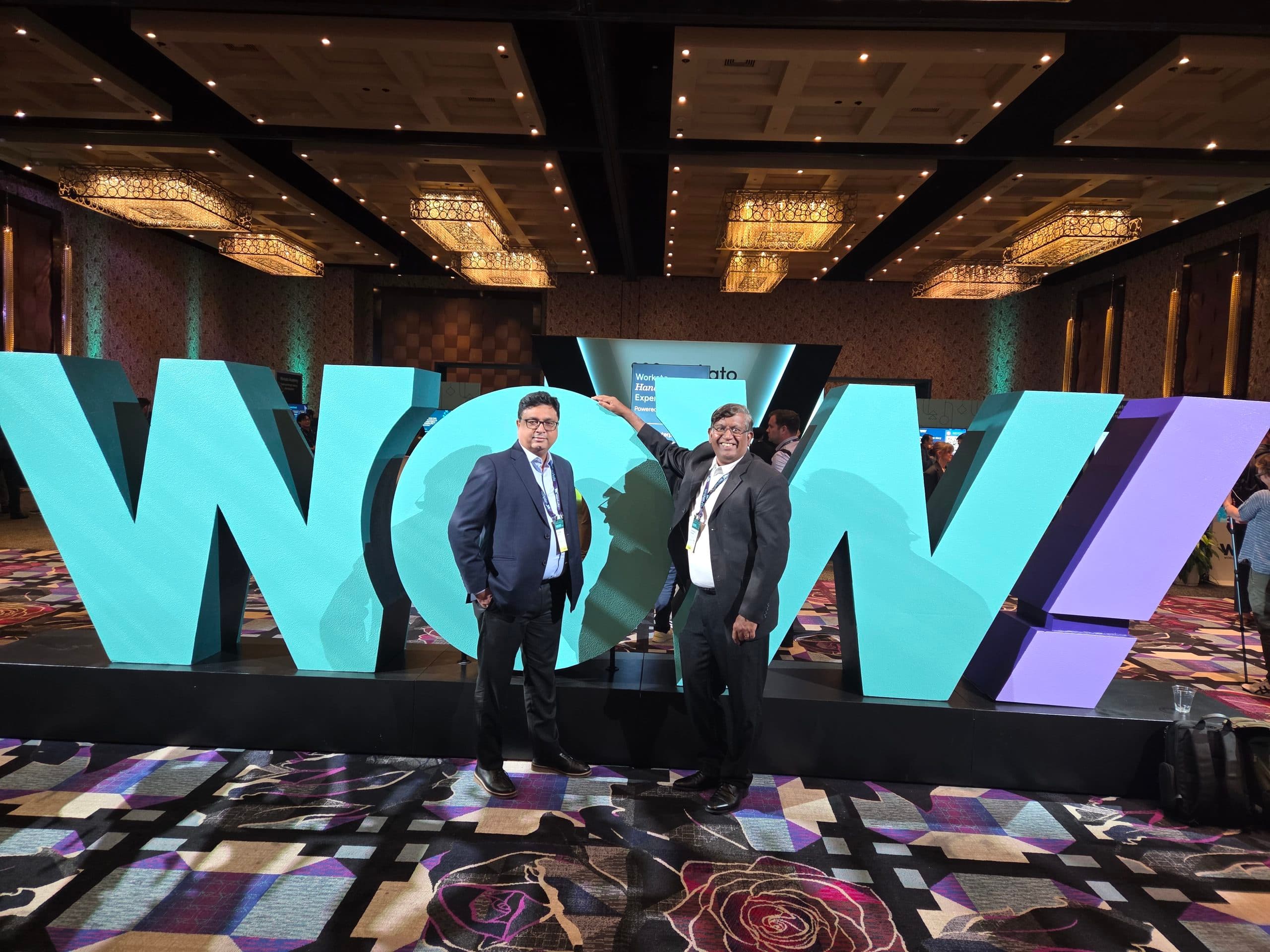
Held in San Francisco on October 13–14, ELC Annual 2026 brought engineering leaders together to examine how their teams and systems are changing. Gershon and Amit Chakraborty represented CLOUDSUFI at the event, with the roundtable contributing a practical way to approach AI ownership.
For leaders assessing their next investment, the framework offers a starting question: at each layer, what must we own to create value, and what will that ownership require over time?