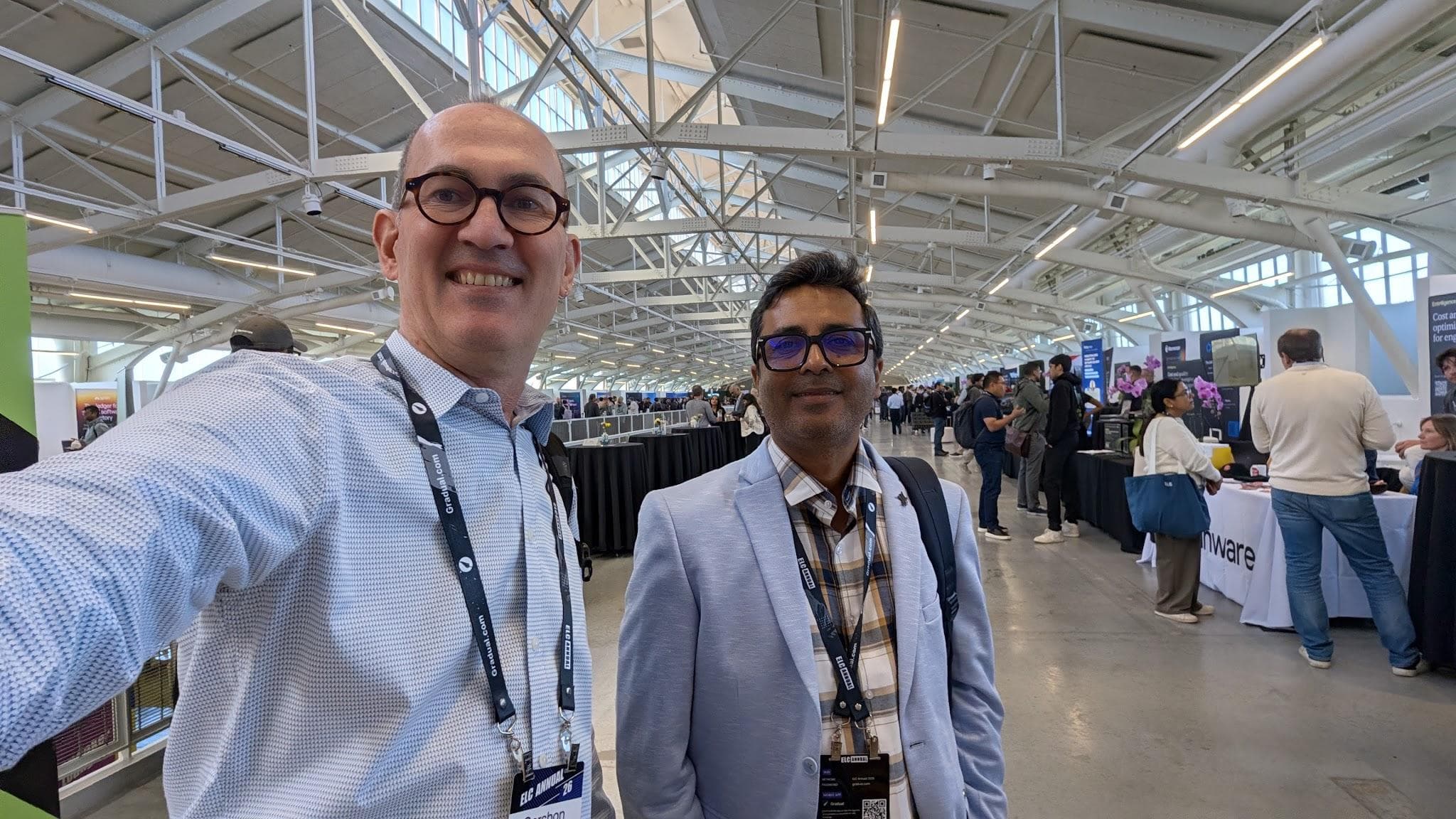
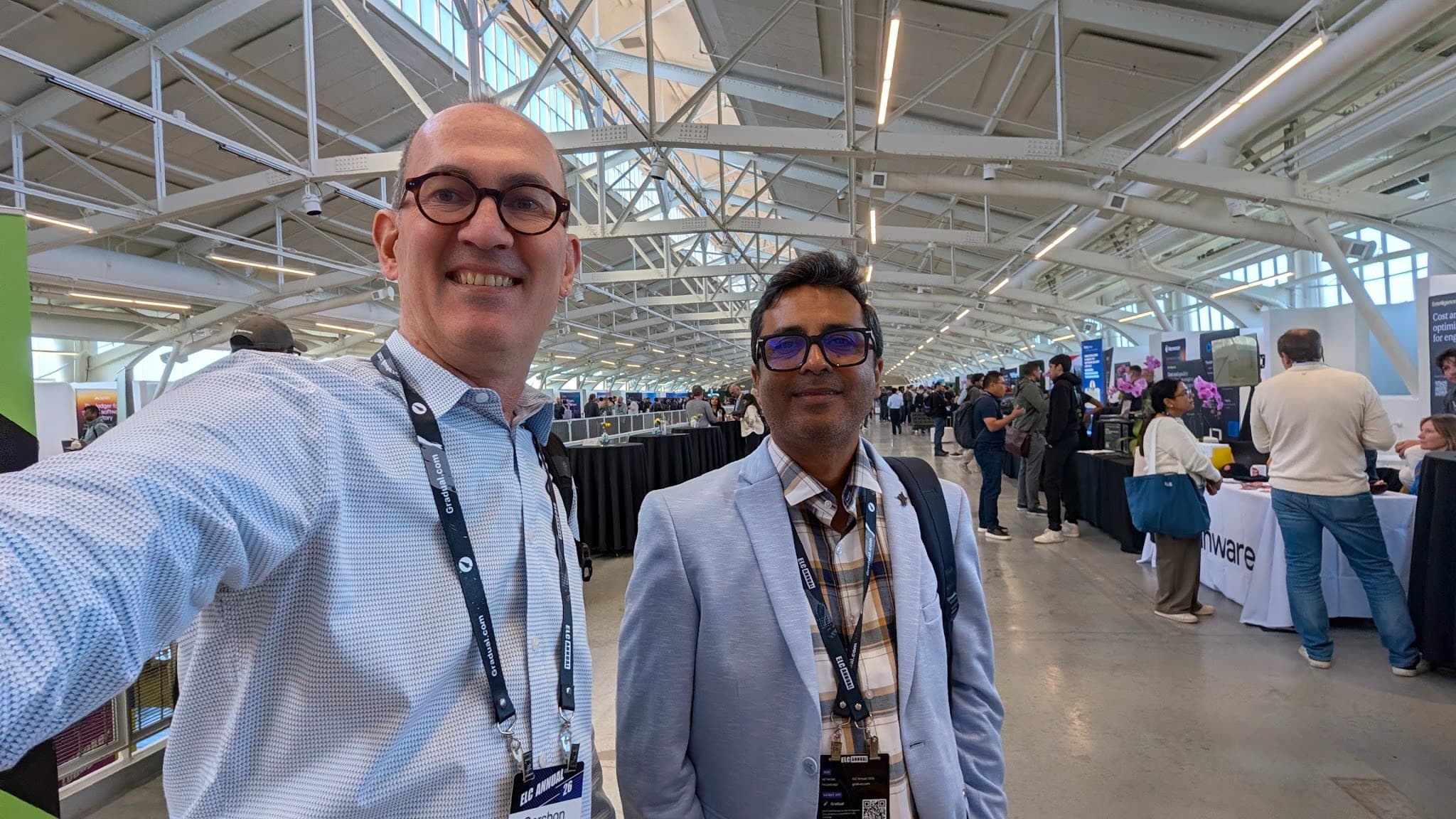
At ELC Annual 2026 in San Francisco on October 13–14, Gershon Diner and Amit Chakraborty represented CLOUDSUFI in conversations about the practical work behind enterprise AI. Across the sessions and meetings, ownership, integration and the ability to operate AI reliably provided useful points of connection with our own work.
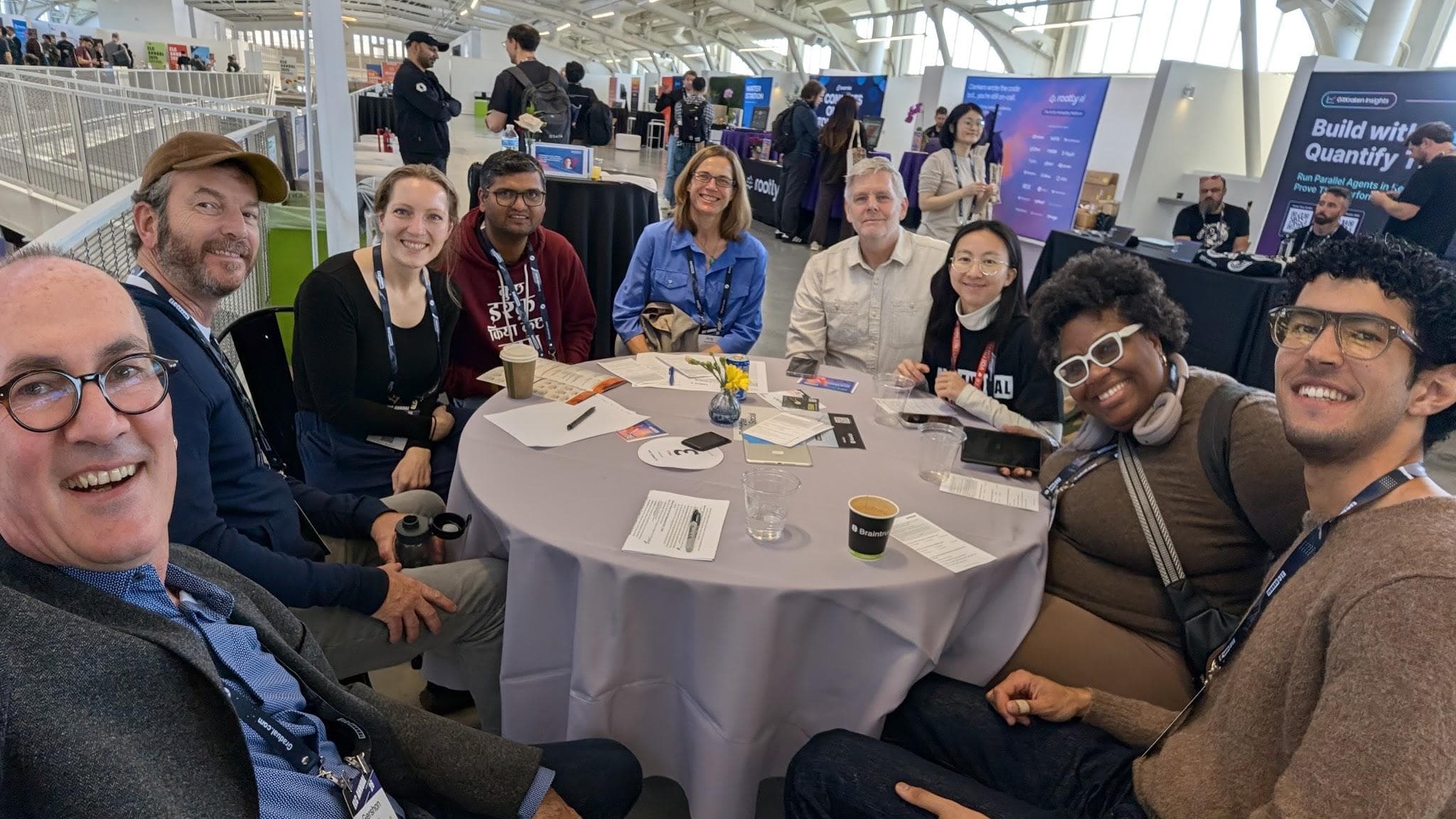
Gershon hosted “Build, Buy, or Partner? Deciding Where Your AI Capability Should Actually Live.” His framework examined how engineering leaders can make that choice across the model, data, workflow and interface layers of an AI system.
Deciding what to own
The roundtable’s premise was that each layer brings different responsibilities. Buying a capability still leaves decisions about integration and control. Building one creates an obligation to maintain it. Bringing in a partner requires clarity about the expertise being added and how ownership will work over time.
For CLOUDSUFI, these questions connect directly to enterprise delivery: understanding which capabilities create business value and ensuring the surrounding data and workflows can support them.
“Choosing an AI capability also means choosing what your team will own and maintain. Those responsibilities deserve as much attention as the initial cost and time to launch.” — Gershon Diner
Turning AI adoption into everyday practice
The wider programme offered practical perspectives on adoption. In his Amplitude session, Wade Chambers described the leadership involvement, dedicated engineering capacity and changes to working practices needed to make AI adoption stick. His presentation also addressed evaluation, tracing and human review, alongside checking that usage creates value before scaling it.
Adyen’s session extended the discussion across the engineering lifecycle. The discussion highlighted the internal tooling and enablement needed to support AI beyond code generation, including deployment and operations.
Affirm’s rearchitecture session illustrated the importance of engineering foundations. It described an incremental approach to modernization and how clearly defined tasks, isolated systems and reliable correctness checks can make AI-assisted work more effective.
For CLOUDSUFI, the practical implication is that enterprise AI needs sustained attention to the systems and teams around it. Tool adoption is one part of that work; integration and operational ownership determine how it fits into the business.
“An AI capability becomes useful when it can work with the data, systems and processes a business already depends on. Integration needs to be part of the plan from the beginning.” — Amit Chakraborty
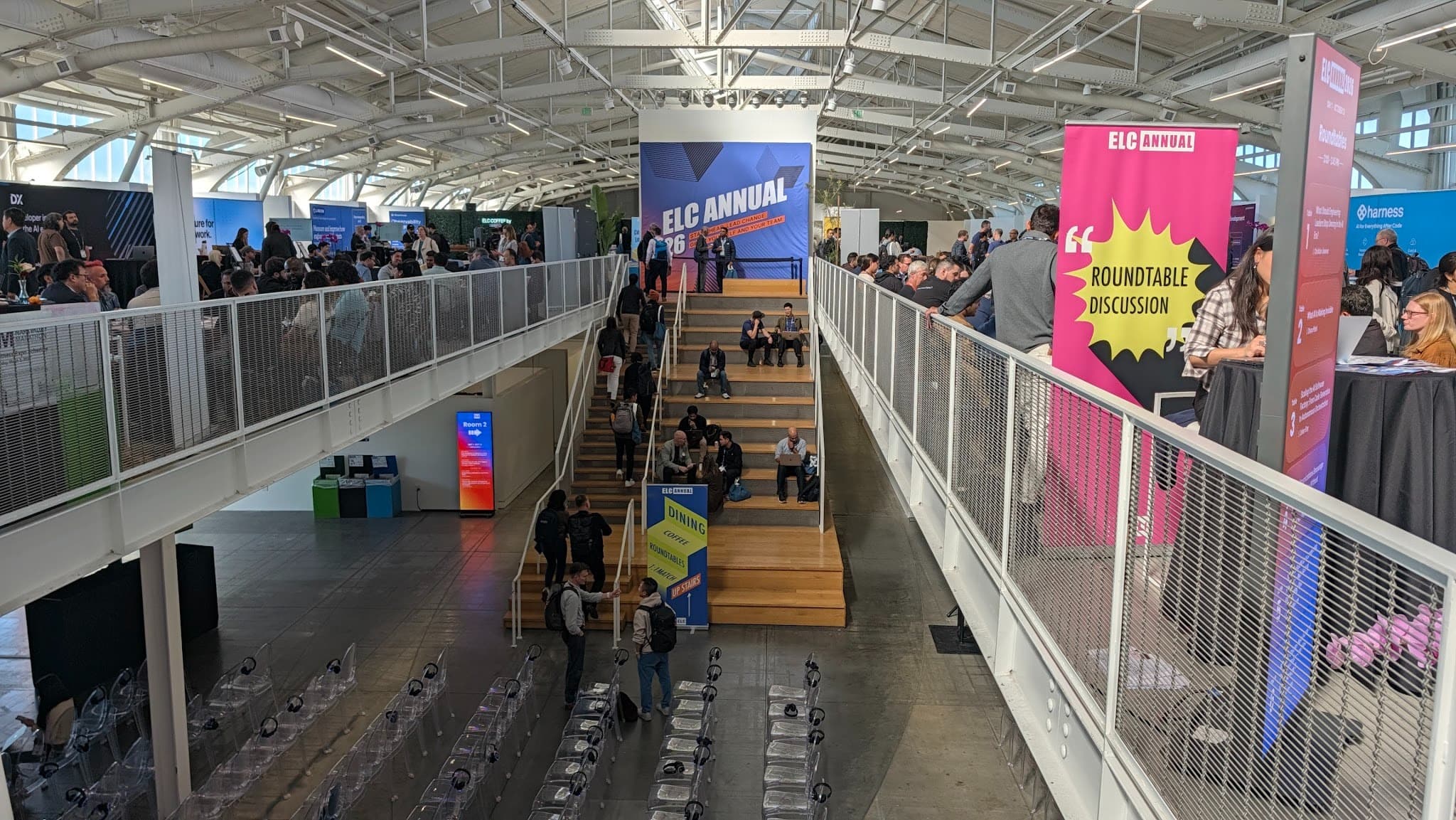
Continuing the conversations
Alongside the sessions, Gershon and Amit connected with engineering leaders to explore specific needs and possible areas of collaboration.
Thank you, Jerry Li for founding and leading the ELC community and everyone who shared their time and perspective with CLOUDSUFI. We look forward to continuing those discussions and applying the questions raised to the enterprise data and AI challenges our teams help solve.